Understanding Your Skin
Acne & Congestion
Congested pores, blackheads and blemish-prone skin are some of the concerns we're asked about most. Here's what's often behind them and the ways we can support clearer-looking skin.


Understanding Your Skin
Congested pores, blackheads and blemish-prone skin are some of the concerns we're asked about most. Here's what's often behind them and the ways we can support clearer-looking skin.
The Basics
Congestion happens when pores become blocked with oil and dead skin cells. Depending on your skin, this can show up in a few different ways.
Pores that feel rough or look blocked, often around the nose, chin and forehead, where oil tends to build up.
Small, visible spots caused when a pore becomes blocked. Blackheads are open to the air; whiteheads sit beneath the surface.
Skin that regularly develops spots or breakouts. Breakouts can range from occasional blemishes to more persistent acne.
Skin that produces more oil than it needs, which can contribute to shine, enlarged-looking pores and congestion.
Not every breakout is acne. Other skin conditions can look similar but need a very different approach, which is why an individual assessment matters before starting any treatment. If your acne is persistent, severe, painful or starting to scar, we'll always recommend a medical review — a GP or dermatologist can investigate underlying causes and prescribe treatment where appropriate.
Explore
Contributors
Congestion and breakouts usually have more than one cause. Some of the factors we most often discuss in clinic include:
Naturally oilier skin, or oil production influenced by hormones, can make pores more likely to block.
When dead skin cells aren't shed evenly, they can collect in the pore and contribute to blackheads and whiteheads.
Heavy or comedogenic (pore-clogging) products, or an incomplete cleansing routine, can contribute to congestion.
Fluctuations at different life stages can influence oil production and are a common contributor to breakouts.
Pressure from masks, helmets, phone screens or frequently touching the face can aggravate blemish-prone skin.
Stress, sleep and diet can all influence skin. We'll look at the whole picture during your consultation.
Our Approach
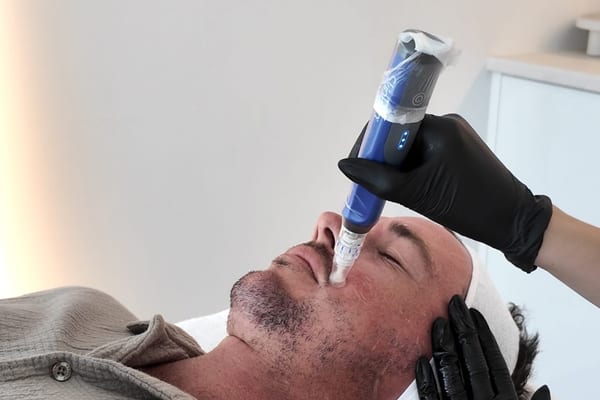
For appropriately assessed blemish-prone skin, selected in-clinic treatments may support a clearer-looking, more comfortable complexion. Cosmetic treatments do not cure acne — they are one part of a wider approach that includes appropriate skincare and, where needed, medical care.
Certain gentle peels may help decongest the skin, refine the look of pores and improve skin texture. We only recommend peels suited to blemish-prone skin, and never on inflamed or broken skin.
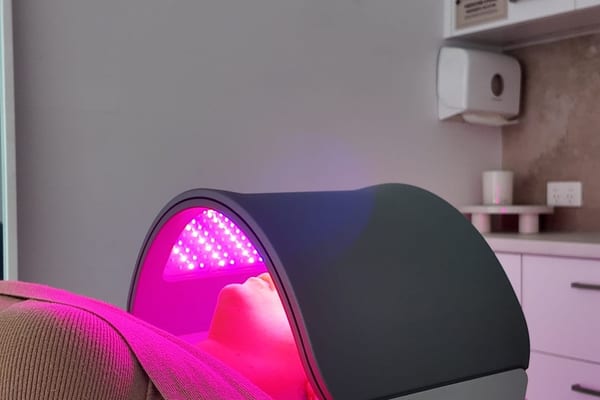
Where appropriate, LED may be included as part of a skincare approach for blemish-prone skin. It's gentle and comfortable, though it isn't a cure for acne — suitability is assessed individually.
A considered, non-stripping routine is often one of the most valuable steps for congested skin. We can recommend products suited to your skin and review your current routine with you.
If acne is persistent, severe, painful or scarring, cosmetic treatment alone isn't the answer. We'll talk you through whether a GP or dermatologist review is the most appropriate next step.
Your Visit
Your complimentary skin consultation is a relaxed, obligation-free conversation. We'll look at your skin together, talk through your history — including any products you're using and any previous treatments — and discuss what may be contributing to congestion or breakouts.
From there, we'll explain which of our treatments may be suitable, what they involve and what results could reasonably be expected. If we believe a medical review would serve you better, we'll say so and point you in the right direction. There's never any pressure to book a treatment.
Good to Know
Book a complimentary skin consultation and let's talk about what may help your skin.