Understanding Your Skin
Dull & Dehydrated Skin
If your skin looks tired, feels tight or has lost its natural glow, dehydration or a compromised skin barrier may be part of the picture. Here's what's often going on — and how we can help.

Understanding Your Skin
If your skin looks tired, feels tight or has lost its natural glow, dehydration or a compromised skin barrier may be part of the picture. Here's what's often going on — and how we can help.
What Is This Concern?
"Dehydrated" and "dry" are often used interchangeably, but they describe different things — and understanding the difference helps us recommend the right approach for your skin.
Dehydrated skin lacks water, while dry skin lacks oil. Dehydrated skin can affect any skin type — even oily skin — and often feels tight, looks flat and shows fine dehydration lines.
When skin is dehydrated or surface cells build up, light reflects less evenly. Skin can look grey, flat or tired rather than fresh and luminous.
Dehydrated skin often feels rough or papery to the touch, and makeup may sit unevenly or cling to drier areas during the day.
The skin barrier holds moisture in and irritants out. When it's impaired — through over-exfoliation, harsh products, weather or stress — skin may feel tight, reactive or unusually sensitive.
A tight, stripped feeling after cleansing — sometimes with increased sensitivity or redness — is a common sign that the skin isn't holding moisture as it should.
Dehydration can temporarily emphasise fine lines, particularly around the eyes. Supporting hydration often softens their appearance.
Relevant Treatments at AJA
Common Contributing Factors
Sun exposure, wind, air conditioning and heating all draw moisture from the skin — a daily reality on the Sunshine Coast.
Harsh cleansers, over-exfoliating or skipping moisturiser can strip the skin and impair its barrier over time.
Hydration starts from within. Fluid intake, caffeine and alcohol all influence how skin looks and feels.
As skin matures, it naturally holds less moisture and produces less oil, making dehydration more noticeable.
Poor sleep, stress and travel can all show in the skin, contributing to a dull, tired-looking complexion.
Shifting between outdoor sun and indoor air conditioning challenges the skin barrier throughout the year.
How We Can Help
The right approach depends on your skin. If the skin barrier is compromised, we generally support and repair it first — we don't recommend exfoliating treatments on skin that is already irritated or sensitised. During a consultation we'll assess your skin and recommend a plan suited to you.
For suitable skin, a gentle peel can refresh dull-looking skin and support a smoother, more even surface. If your barrier is impaired, we'll focus on repair first and revisit peels once your skin is comfortable.
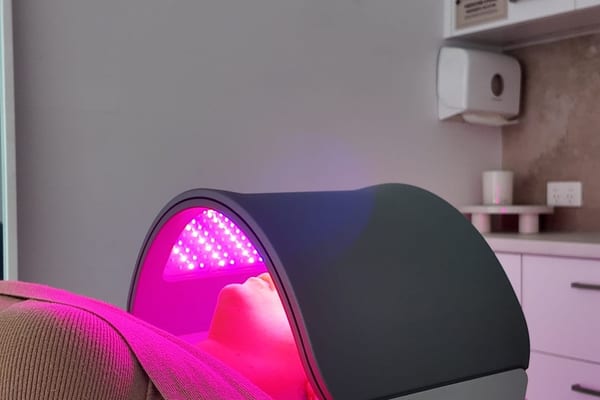
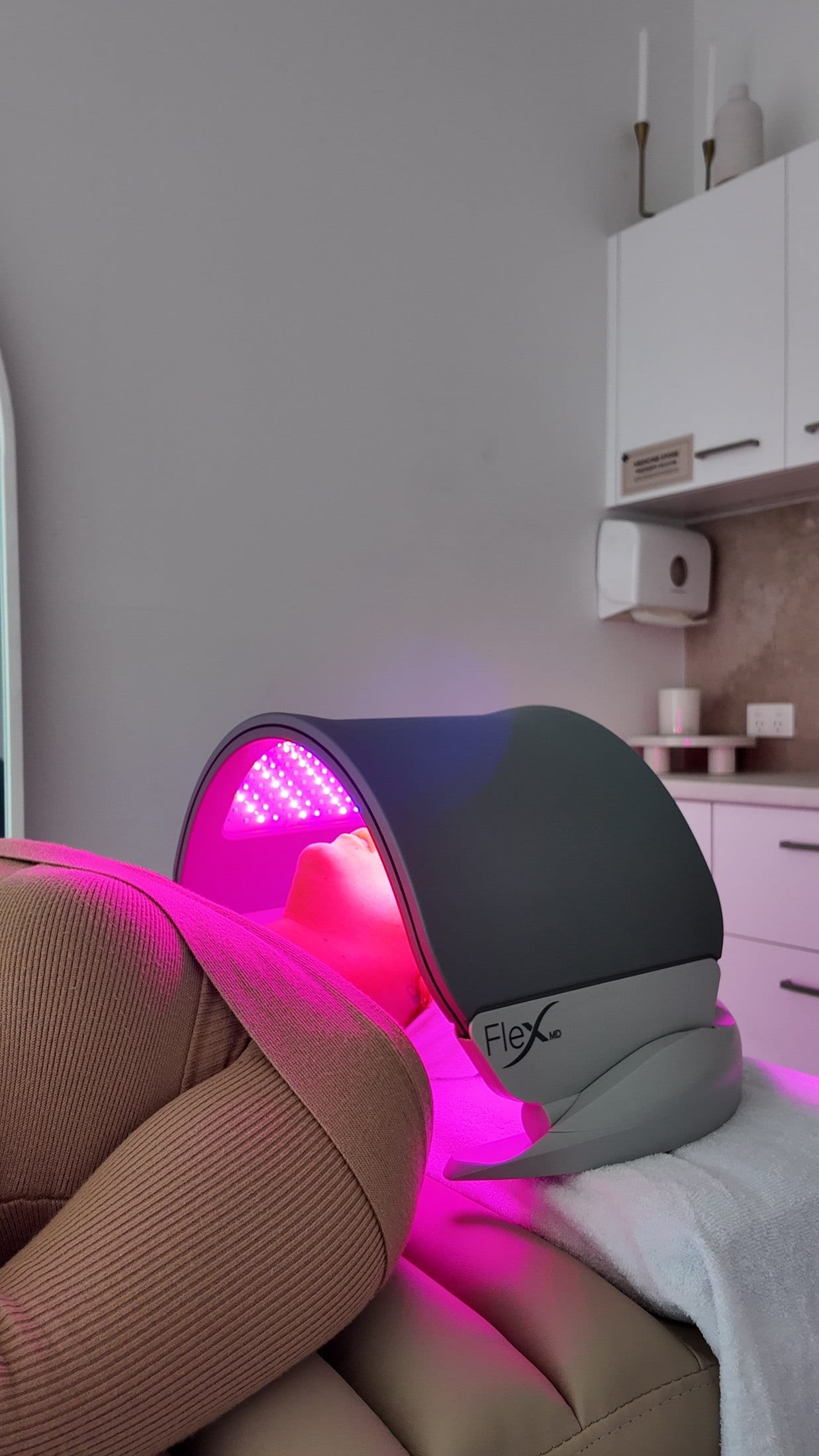
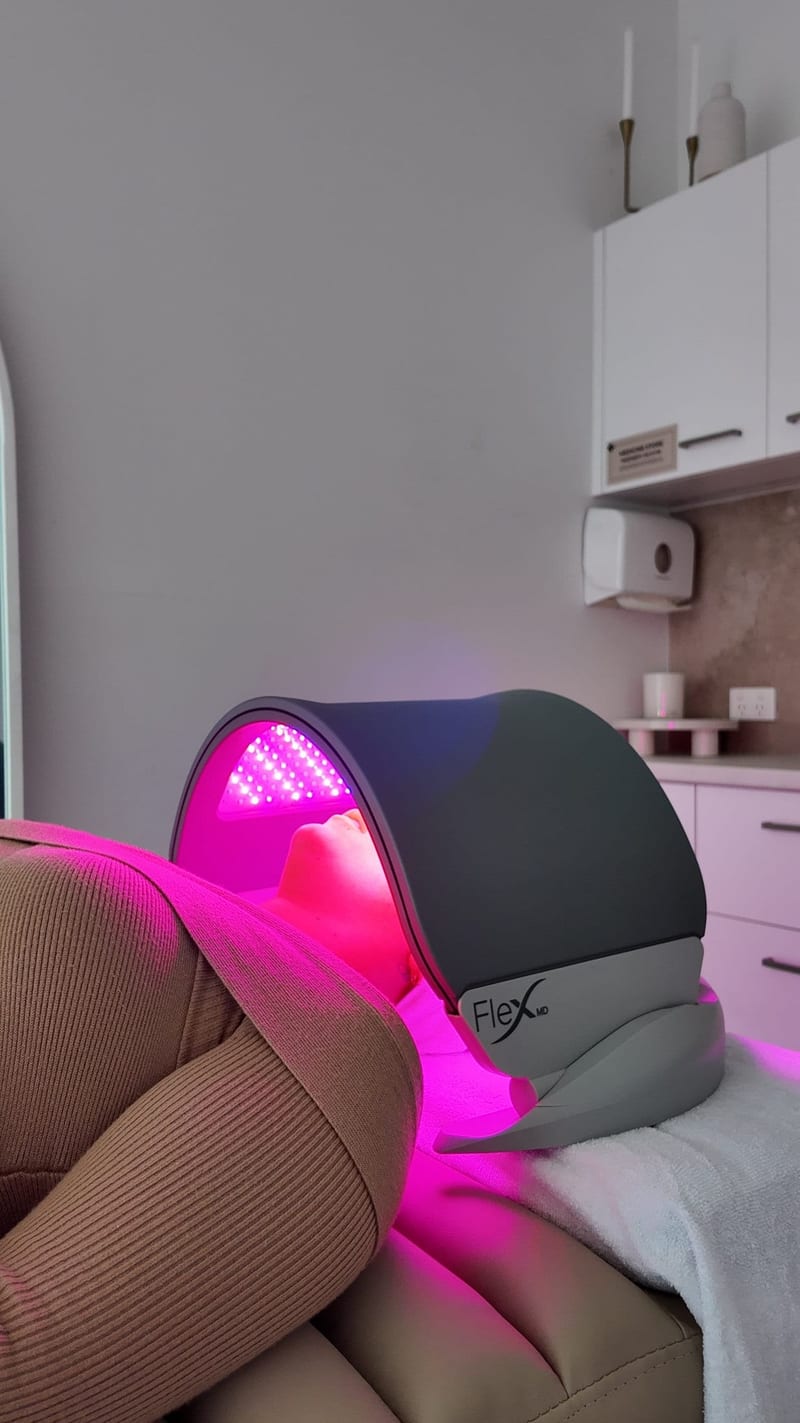
Dermalux LED is gentle, comfortable and needle-free. It may support overall skin health and help dull-looking skin appear fresher and more revitalised over a course of sessions.
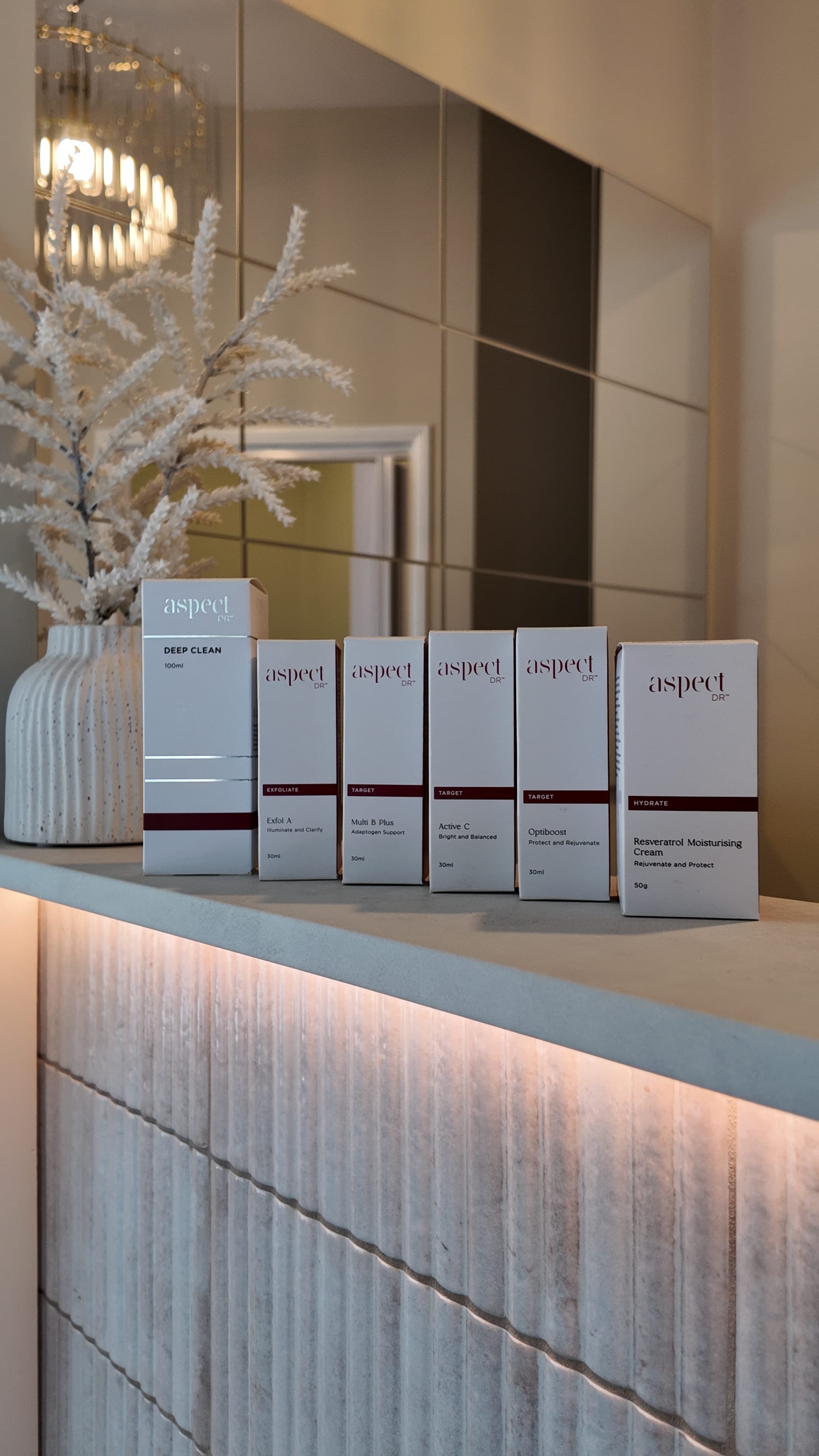
A considered routine — including appropriate hydrating products and daily sun protection — helps support your skin between treatments. We can recommend products suited to your skin.
What to Expect
We talk through your concerns, your current routine and your environment, then assess your skin — including how comfortable and well-supported your barrier is.
We explain which treatments and skincare may suit your skin — and, just as importantly, which to wait on if your skin needs support first.
You leave with clear, honest recommendations and no obligation — a starting point you can follow at your own pace.
Good to Know
Keep Exploring
Book a complimentary skin consultation and let's find the right approach for your skin.