Book Now Book Now

Understanding Your Skin

Acne Scarring

Acne scarring refers to changes in skin texture that can remain after breakouts have settled. We offer treatments that may help improve the appearance of acne scarring, with a plan tailored to your skin and the type of scarring present.
Book a Complimentary Skin Consultation Book a Complimentary Skin Consultation
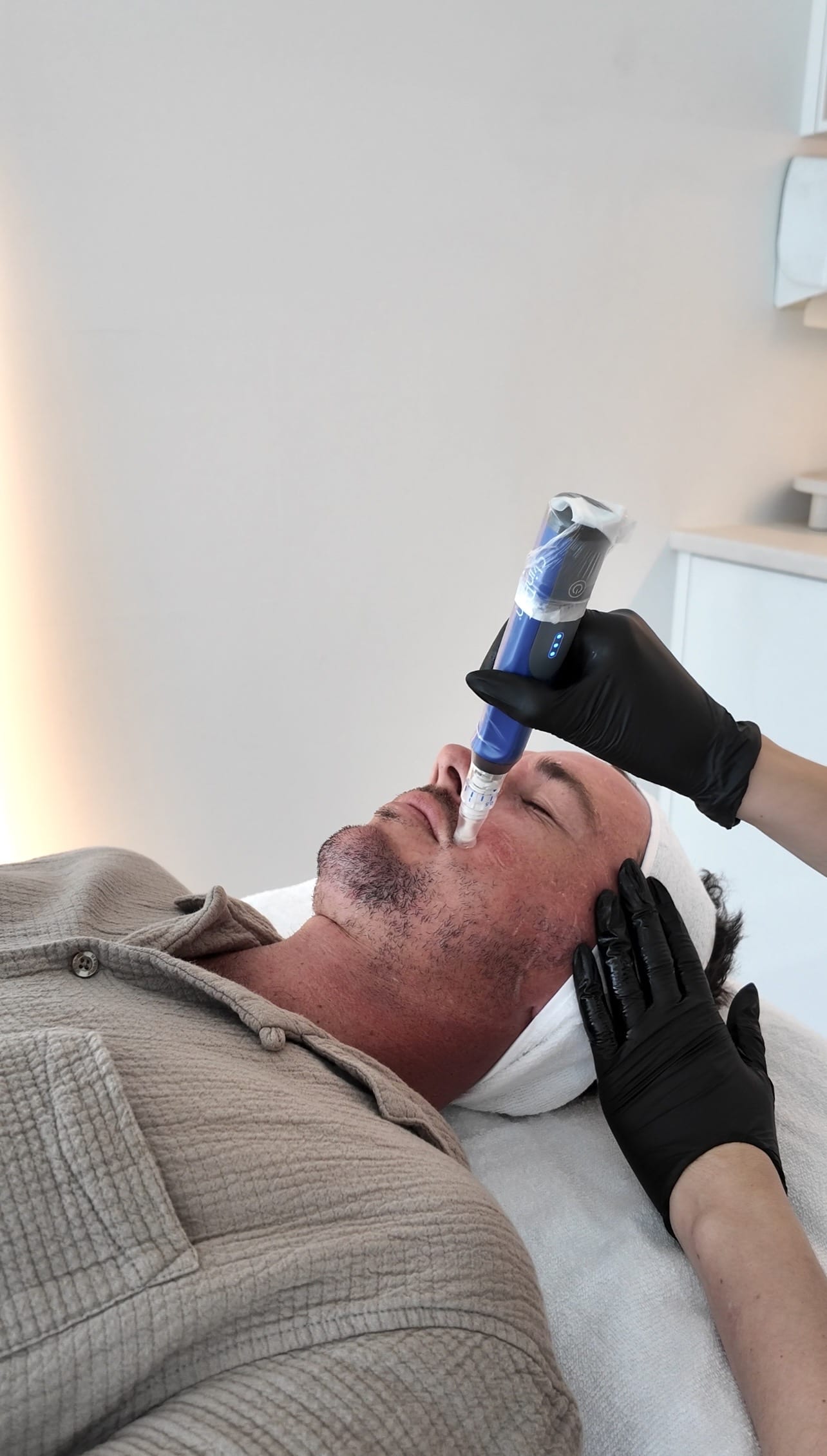
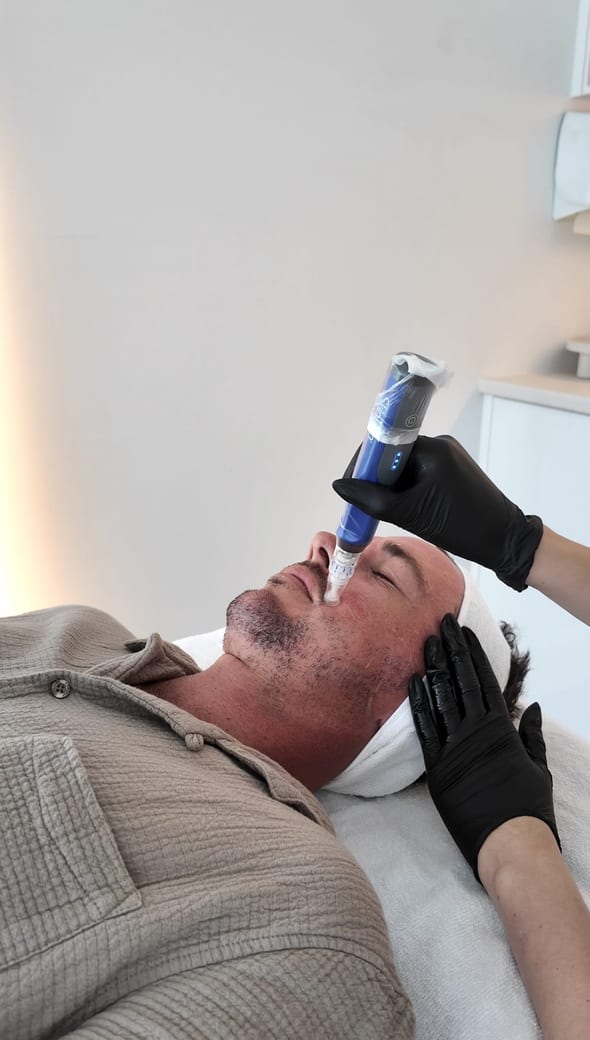
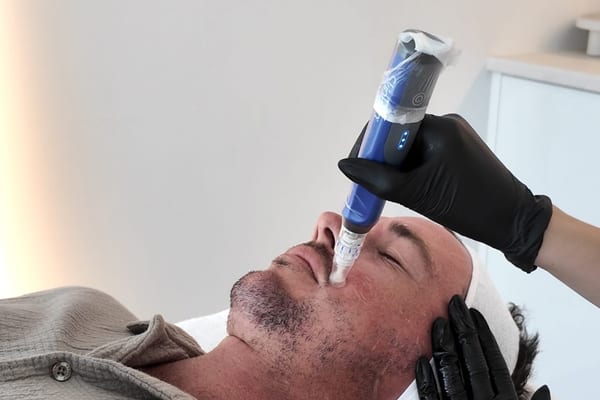
SkinPen skin needling treatment being performed at Ashlee Jess Aesthetics in Maroochydore

What Is This Concern?

Understanding Acne Scarring

“Acne scarring” can describe a few different things, and telling them apart matters — because they respond to different approaches.

Post-Acne Marks

Flat red or brown marks that remain after a breakout has healed are not true scars. They are areas of discolouration, and they often fade gradually over time — sometimes helped along with suitable skincare or light-based treatments.

True Scarring

True scars involve a change in the skin’s structure — texture that feels or looks different from the surrounding skin. These changes are permanent in the sense that they do not simply fade on their own.

Changes in Texture

Scarring may appear as small depressions, uneven patches or raised areas. Texture changes are often most noticeable in certain light, or when foundation sits unevenly on the skin.

Depressed & Uneven Scars

The most common acne scars are depressed — small indentations left where tissue was lost during deeper breakouts. They vary in shape and depth, and different scar types respond differently to treatment.

Why Scar Type Matters

Because scars differ in depth, shape and cause, there is no single treatment that suits every kind of scarring. This is why an individual assessment — rather than a one-size-fits-all approach — guides everything we recommend.

Where Scarring Comes From

Common Contributing Factors

Deep or Inflamed Breakouts

The deeper and more inflamed an acne lesion, the greater the likelihood of a lasting textural change once it heals.

Picking or Squeezing

Manipulating breakouts can increase inflammation and damage surrounding tissue, raising the risk of scarring.

Delayed Treatment

The longer active acne continues unmanaged, the more opportunity there is for new scars to form.

Skin Type & Genetics

Some people are simply more prone to scarring than others, and this tendency can run in families.

Sun Exposure

Sun exposure can darken healing marks and affect how the skin repairs itself, which is why daily sun protection matters.

Our Approach

How We Can Help

Treatment for acne scarring is always individual. What we can achieve depends on your scar types, your skin and how your skin heals — and no treatment can promise complete removal of scarring.

A Proper Assessment First

We begin by examining your skin, identifying the types of scarring or marks present and distinguishing them from any active acne. This shapes what treatment — if any — is appropriate, and in what order.

Managing Active Acne First

Where breakouts are still active, scar-focused treatments usually need to wait. Managing the acne itself comes first, so we are not treating new scars while old ones are being addressed. Persistent, severe or scarring acne may also warrant medical review with your GP or dermatologist.

Textural Treatments

For suitable candidates, treatments such as SkinPen skin needling and selected skin peels may help improve the appearance of textural scarring over a course of sessions. Results build gradually and vary between individuals.

Supporting Skin at Home

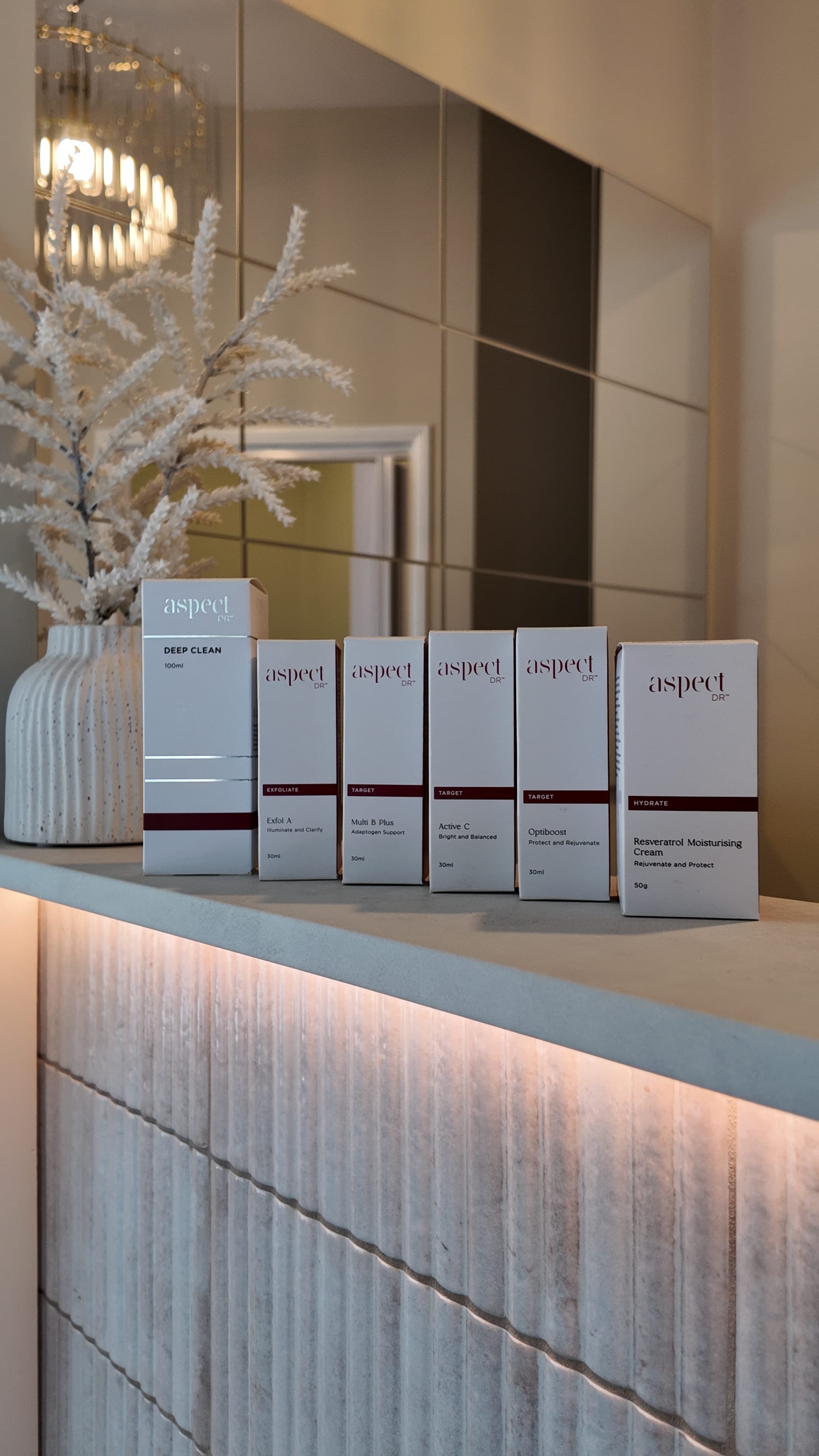
Consistent skincare — including daily sun protection — supports your in-clinic results and helps protect healing skin. We can recommend products suited to your skin during your consultation.

An important note: treatment suitability depends entirely on an individual assessment of your skin. We will always tell you honestly what we feel we can — and cannot — help with.

Your Visit

What to Expect From a Consultation

1

Discuss Your Skin History

We talk through your acne history, your skin and what you would like to improve — including how long scarring or marks have been present.

2

Assess & Identify

We examine your skin to distinguish post-acne marks from true scarring, identify scar types and check whether any acne is still active.

3

Plan the Right Order

We recommend a realistic, staged plan — which may involve managing active acne first — and explain the results each step could reasonably achieve.

Good to Know

Frequently Asked Questions

Wondering What’s Possible for Your Skin?

Book a complimentary skin consultation and we’ll assess your skin honestly, explain your options and map out a plan that feels right for you.

Book a Complimentary Skin Consultation Book a Complimentary Skin Consultation